While wandering the corridors of another interminable art museum, I was arrested by a question. Why hadn't I learned stone sculpture? You undoubtedly know people who paint or draw. Sculpture is no less accessible, requiring but a hammer, chisel, and volume of stone (safety glasses, too, of course). Stones are everywhere. Free! Heft and fragility—never delightful features of a financial asset—probably limit the popularity of stone sculpture at the pinnacles of the art market, but otherwise, stone sculpture's rarity is to me a conundrum.
How to Begin
Arthar Jaber's YouTube tutorials are a comprehensive introduction. Jeff Powell's materials are also useful. You might also consult (per Arthar's advice) The Materials and Methods of Sculpture, Modeling and Sculpture, and Modeling and Sculpting the Human Figure.
How to Begin (for the Impatient and Wealthy)
Only a plebian need concern themselves with hand tools. If you're well-capitalized, purchase a six-axis robotic arm, affix an endmill, and go to work. For inspiration, see this NYT article. Complete systems are available for purchase. Alternatively, you might acquire a used arm and dedicate a bit of time to finding suitable CAM. You need not be physically fit, and, if you're sited near a vein of marble, can bring your creations to the masses. For me, however, stone is meant to be respite from technology. Imagine yourself atop a meadowed bluff, courting the midday sun, forming in solitude the final curls of a magnificent lion. What better escape from our sea of screens? See Rodin for inspiration.
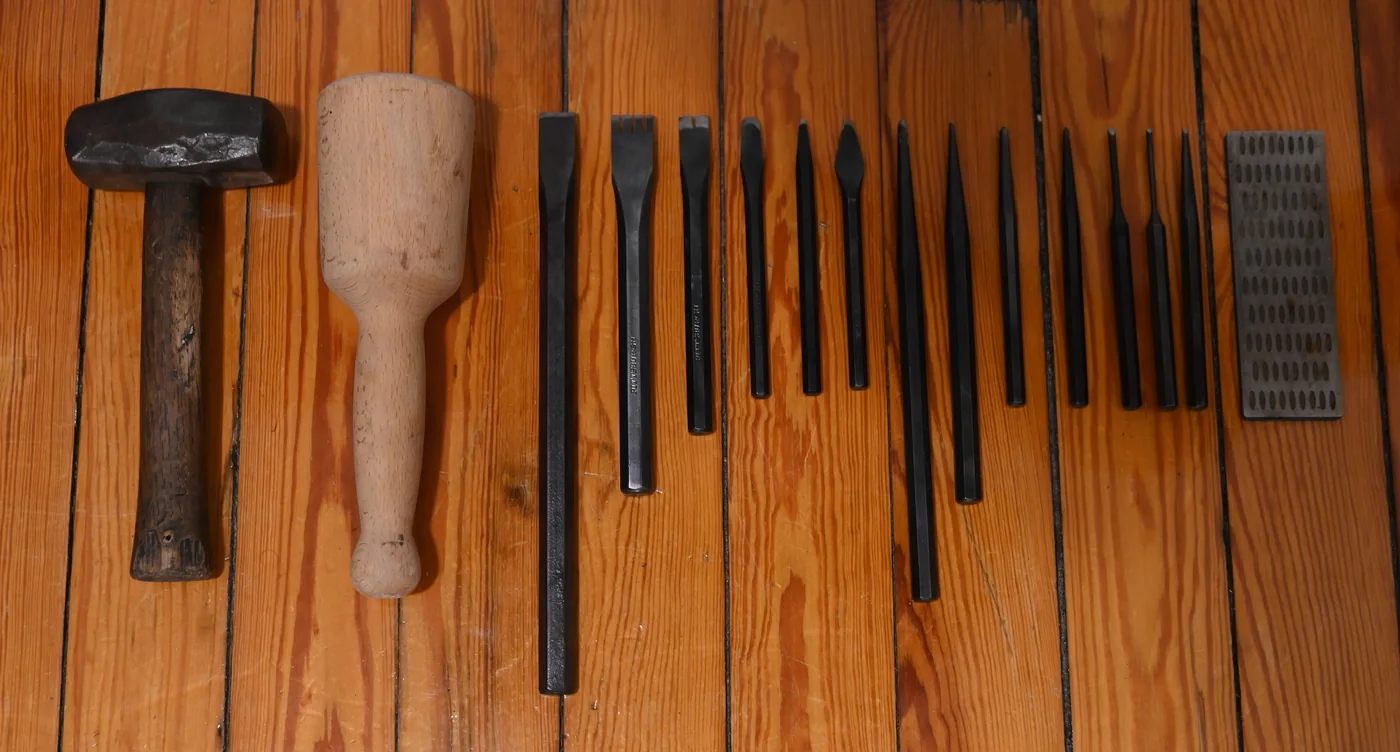
As such, I procured a chisel set from Harbor Freight and the remaining tools from my father's workshop.
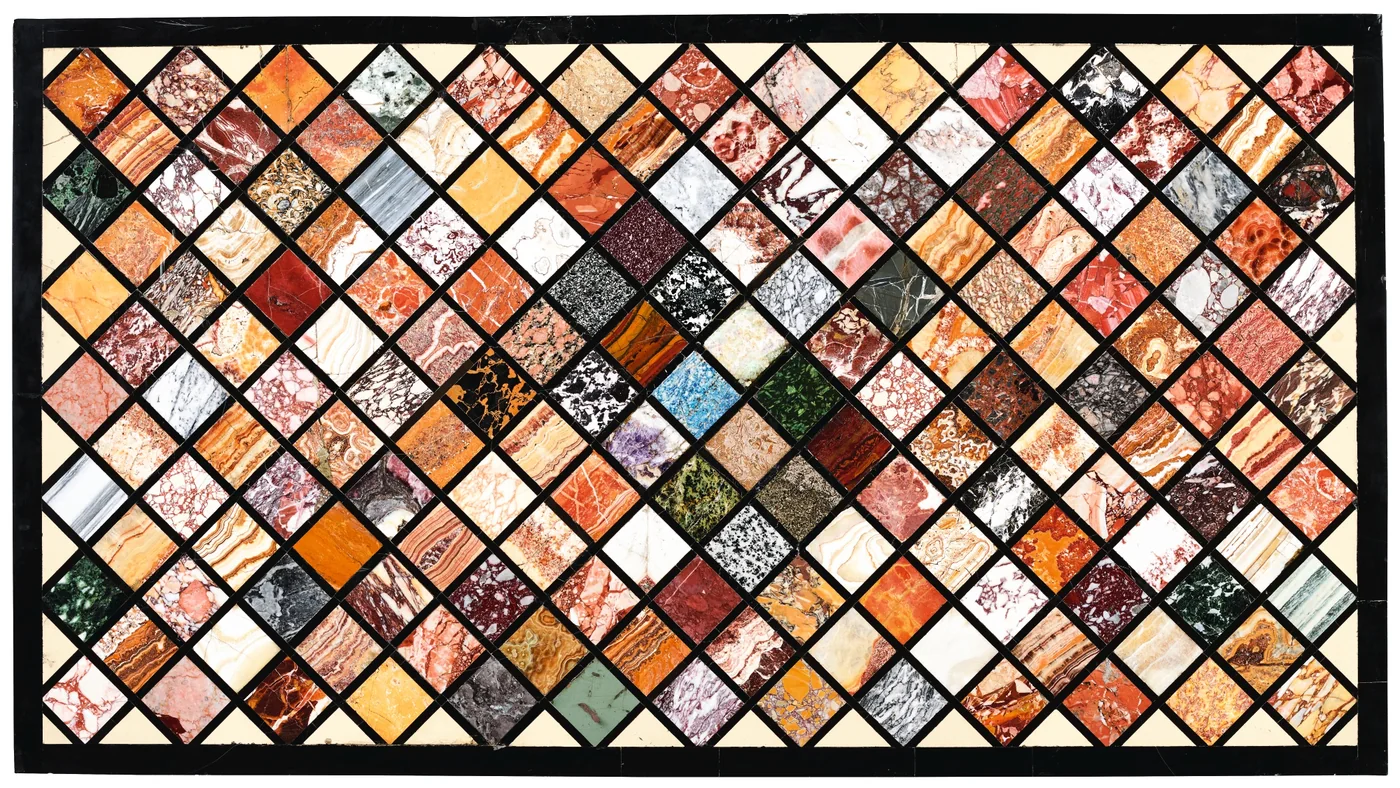
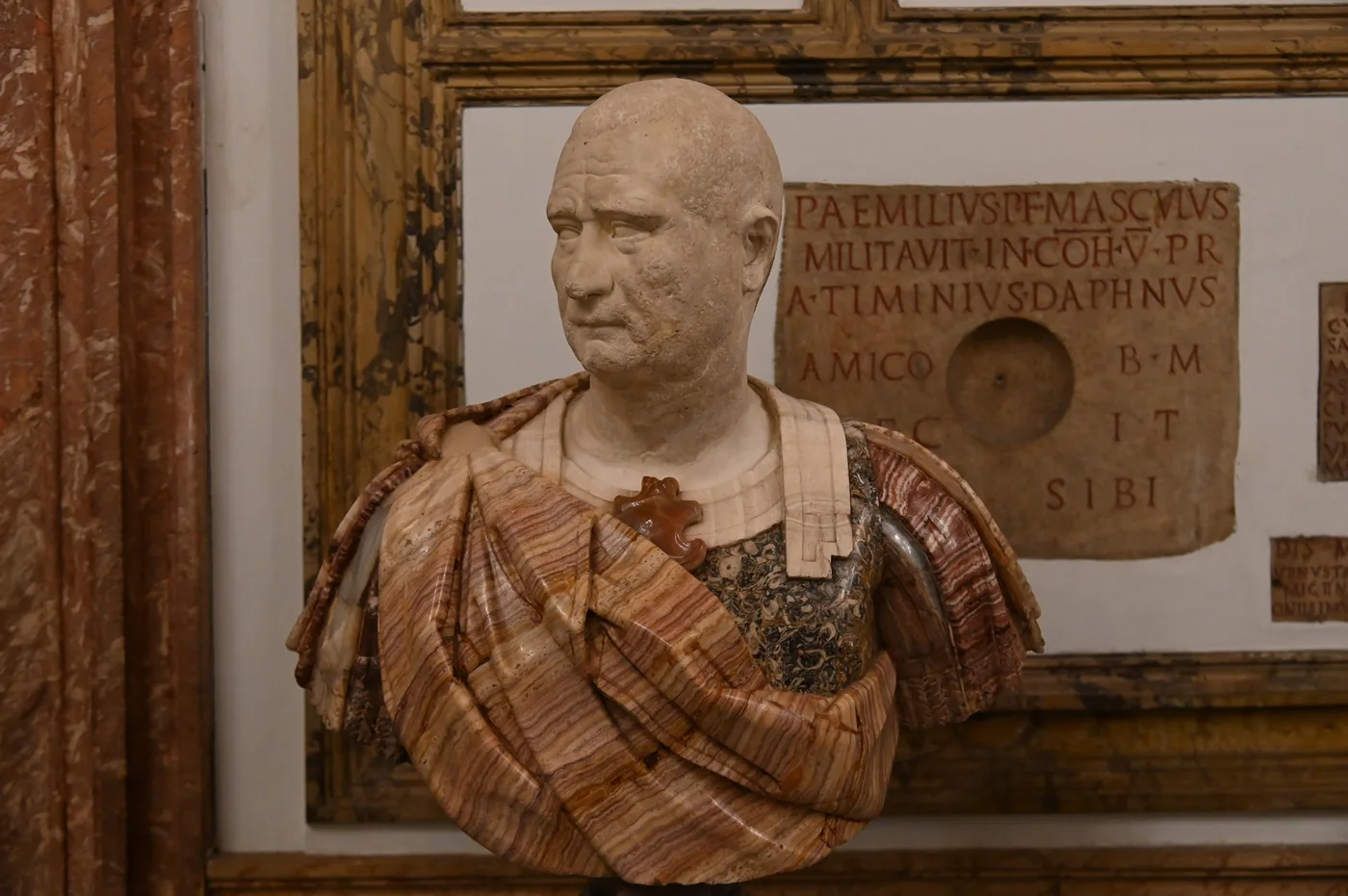
I then went in search of stone. The Romans drew stone of astonishing variety from across the empire. Specimen marble was aggregated (often into pietre dure tabletops) beginning in the 16th century for the Medici court and more recently for collectors on the Grand Tour. I map the Roman quarries and, as possible, link the stones they yielded below. In Egypt, I also map the ancient quarries, many of which were coopted by the Romans. The industrious reader can, using these data, chart an expedition of stone scavenging sufficient to construct any masterpiece.
Roman and Egyptian stone
Egypt had been quarrying stone for three thousand years by the time Rome arrived. Harrell and Storemyr count just over two hundred ancient quarries, from the Late Predynastic into the Roman period: limestone from the Eocene cliffs along the Nile between Cairo and Isna, for the pyramids and tombs; sandstone from Isna southward, which from the late Middle Kingdom built the temples of the south; and granite and granodiorite at Aswan, for obelisks, colossi and sarcophagi. The ornamental hardstones came from the Red Sea Hills of the Eastern Desert, and it was there that Rome opened quarries of its own, at Mons Porphyrites for the purple porphyry and Mons Claudianus for a gray tonalite gneiss, and shipped their stone across the empire. The last ninety-two stones below are Harrell's scans of polished samples from the quarries of Egypt and Nubia.
Russell 2013, the Roman world Harrell and Storemyr 2009, Egypt
A library of stones
First the Corsi Collection in Oxford, assembled in the 1820s, then ninety-two stones from the ancient quarries of Egypt and Nubia. Click the stones for data.
Slab photographs © Oxford University Museum of Natural History, from the Corsi Collection of Decorative Stones. Stone names and quarry locations are the Museum's. Egyptian and Nubian stones scanned by James Harrell, from his Ornamental Stones (UCLA Encyclopedia of Egyptology, 2013), figures 3–9, and Harrell and Storemyr 2009, figures 10–11, set on the Corsi slabs' dark ground to their shape.
Roman world from Russell, B. J. (2013), Gazetteer of Stone Quarries in the Roman World, version 1.0, Oxford Roman Economy Project (PDF), which collects the excavation reports and petrographic studies behind each site. Coordinates locate the nearest named settlement or the approximate area of the workings. Egyptian locations are from Harrell, J. A. and Storemyr, P. (2009), ‘Ancient Egyptian quarries — an illustrated overview’, in QuarryScapes (Geological Survey of Norway, Special Publication 12): 7–50, whose database reaches back to the Late Predynastic and so well before Rome, and from Harrell's own Archaeological Geology of Ancient Egypt.
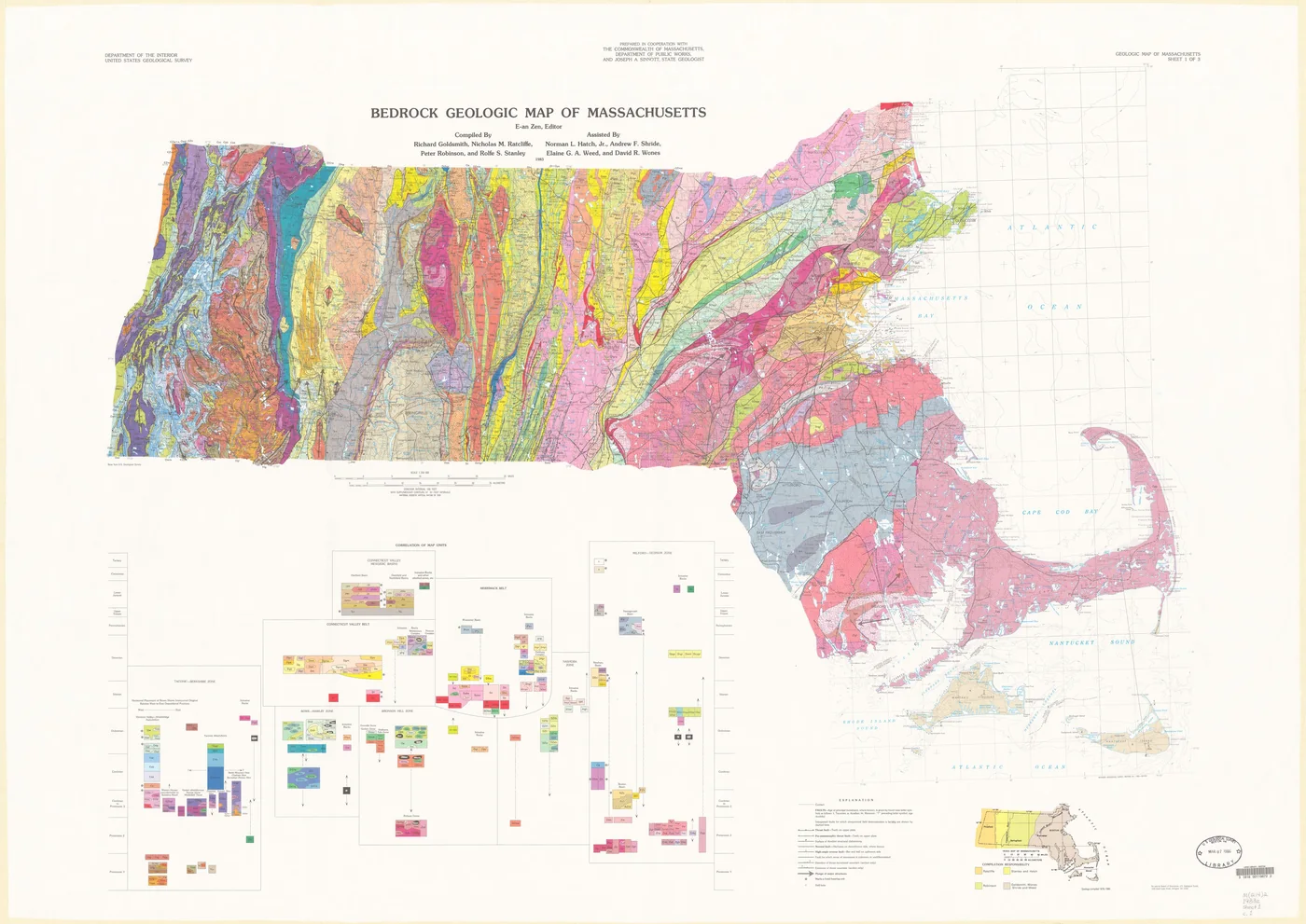
Regrettably, the stone of Cambridge is argillite and conglomerate, sedimentary rock unsuitable for carving. However, the bedrock of Massachusetts is more diverse. The nearest marble is in Vermont.
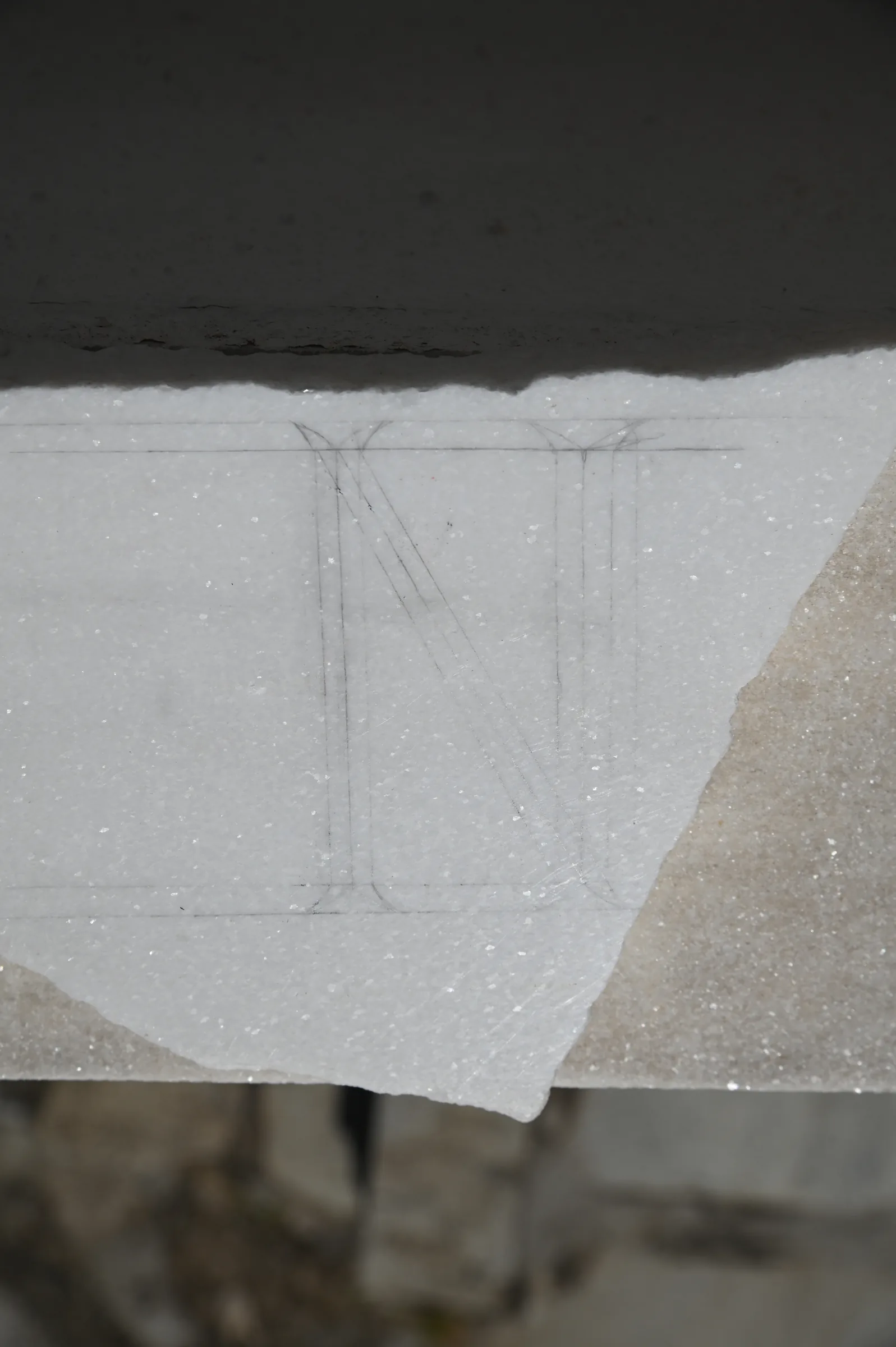
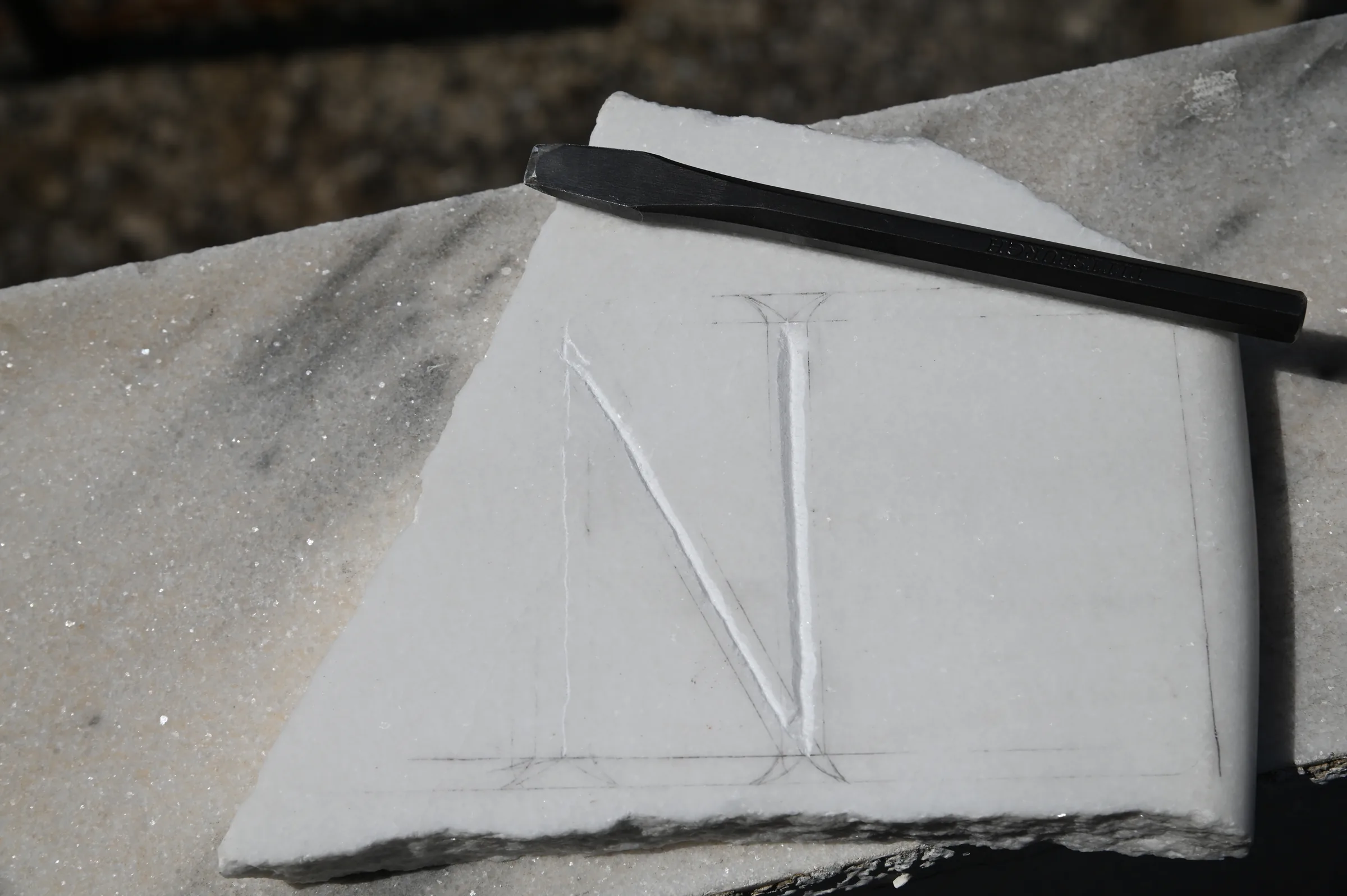
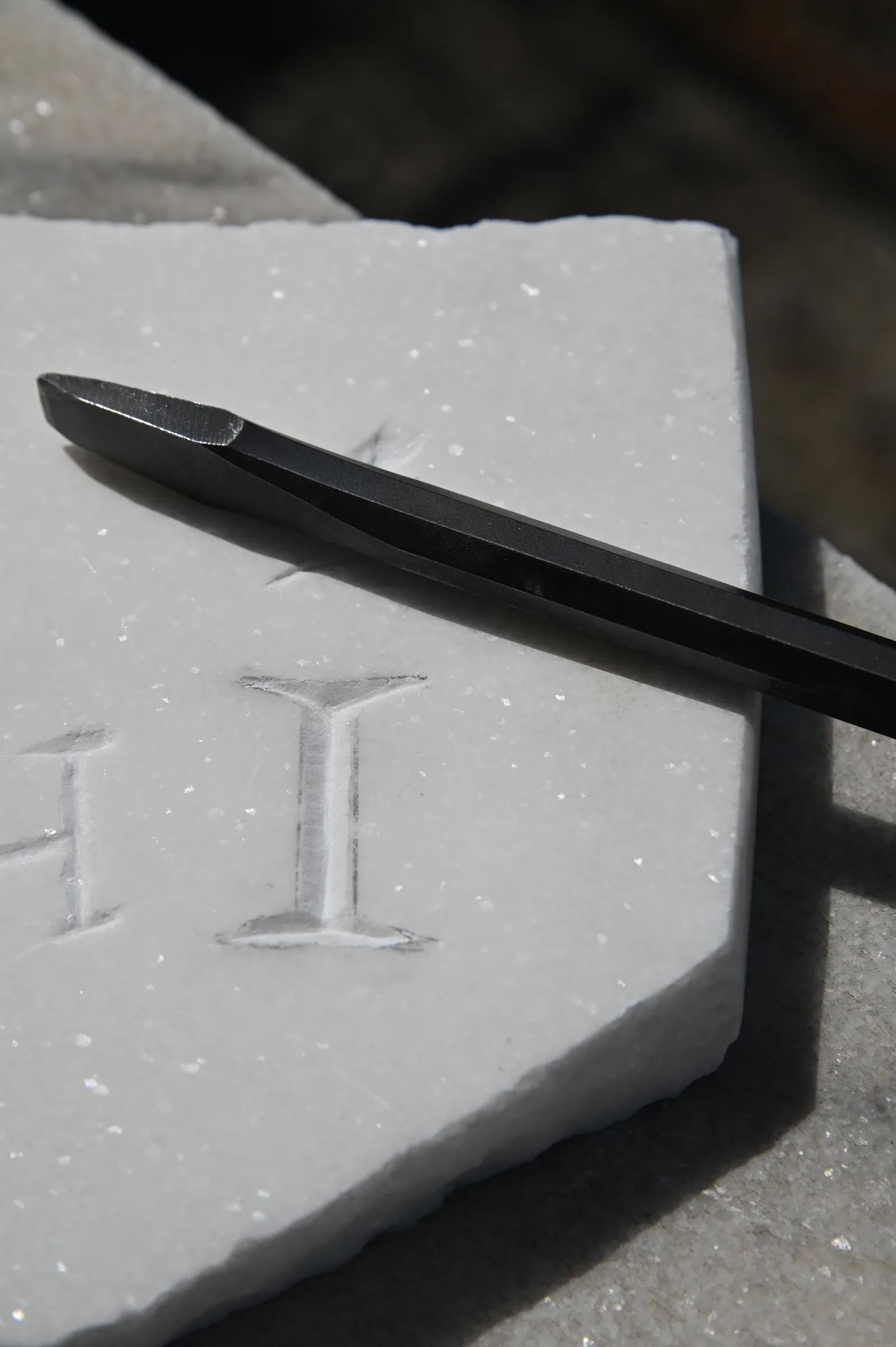
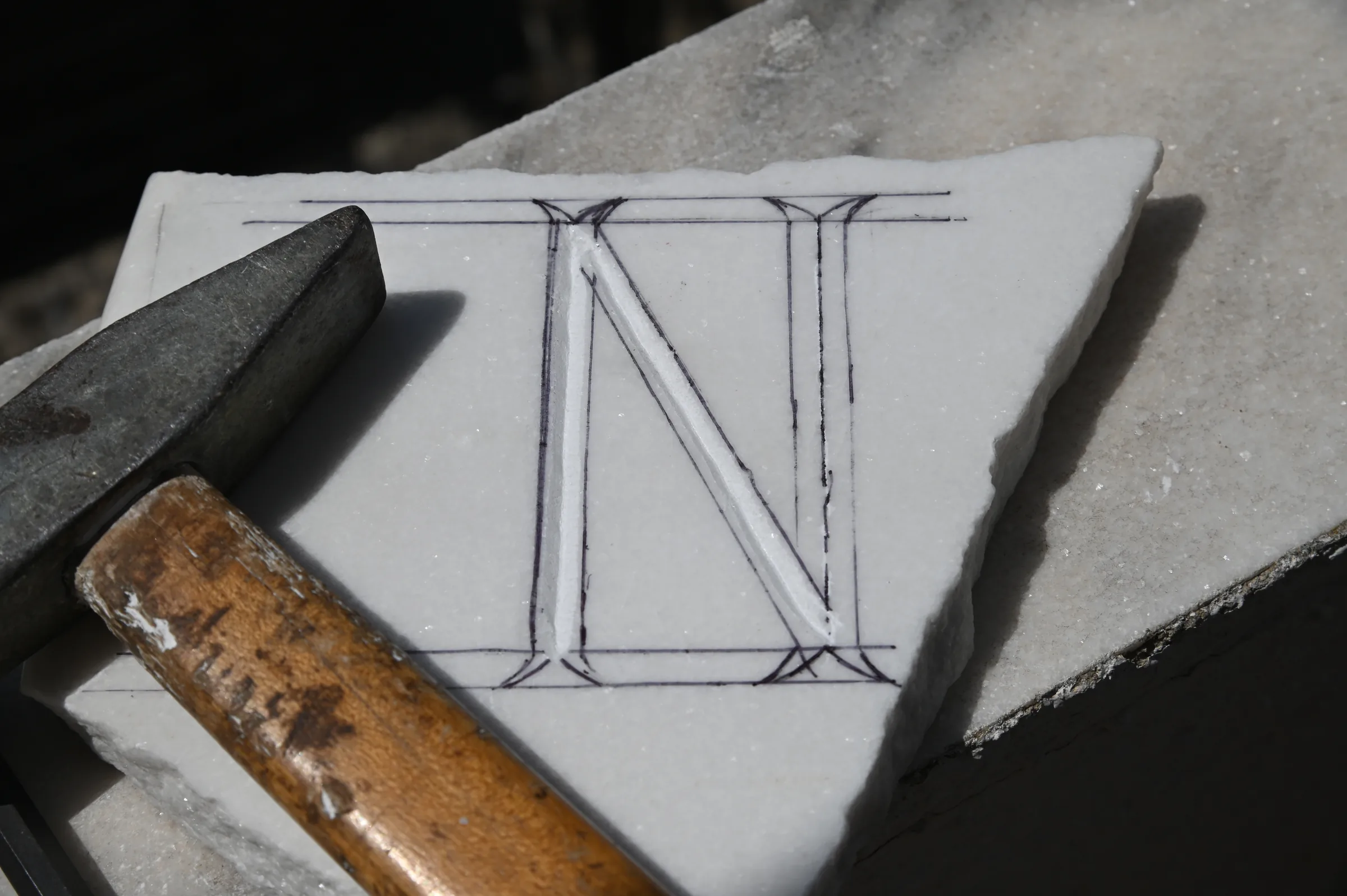
Fortunately, stone is often imported for building, and I was able to acquire some suitable specimens for initial practice. I got some strange looks—I suppose the reason men my age typically procure stones is to weigh down bodies of which they are disposing—but I like to think that I don't look too much like a serial killer.
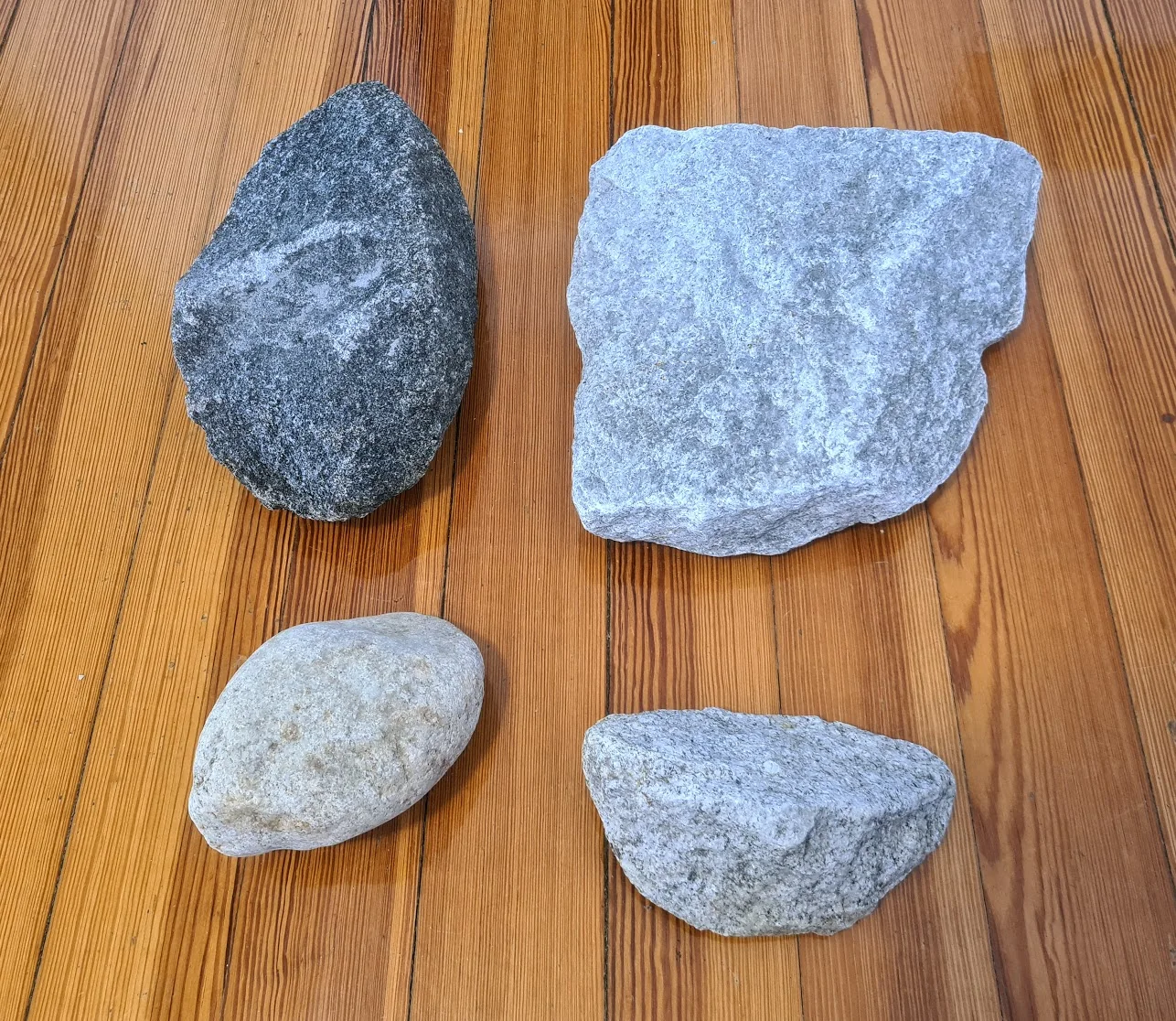
Identifying rock is not trivial; birders and lepidopterists, beware. Fortunately, fate distributes our interests with abandon, so a small but passionate community of "rockhounders," derivative of the prospecting community, exists in many areas of the world.
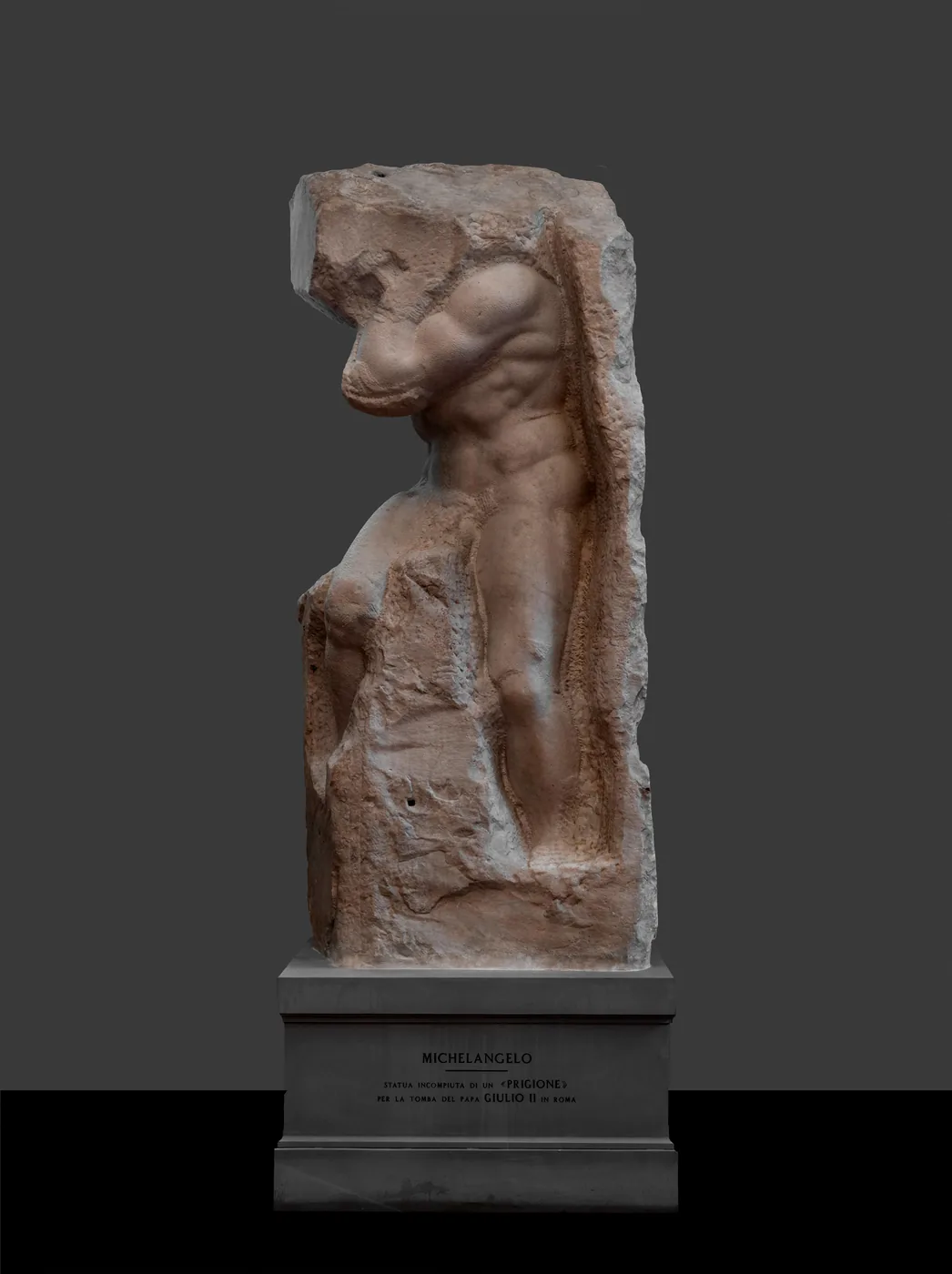
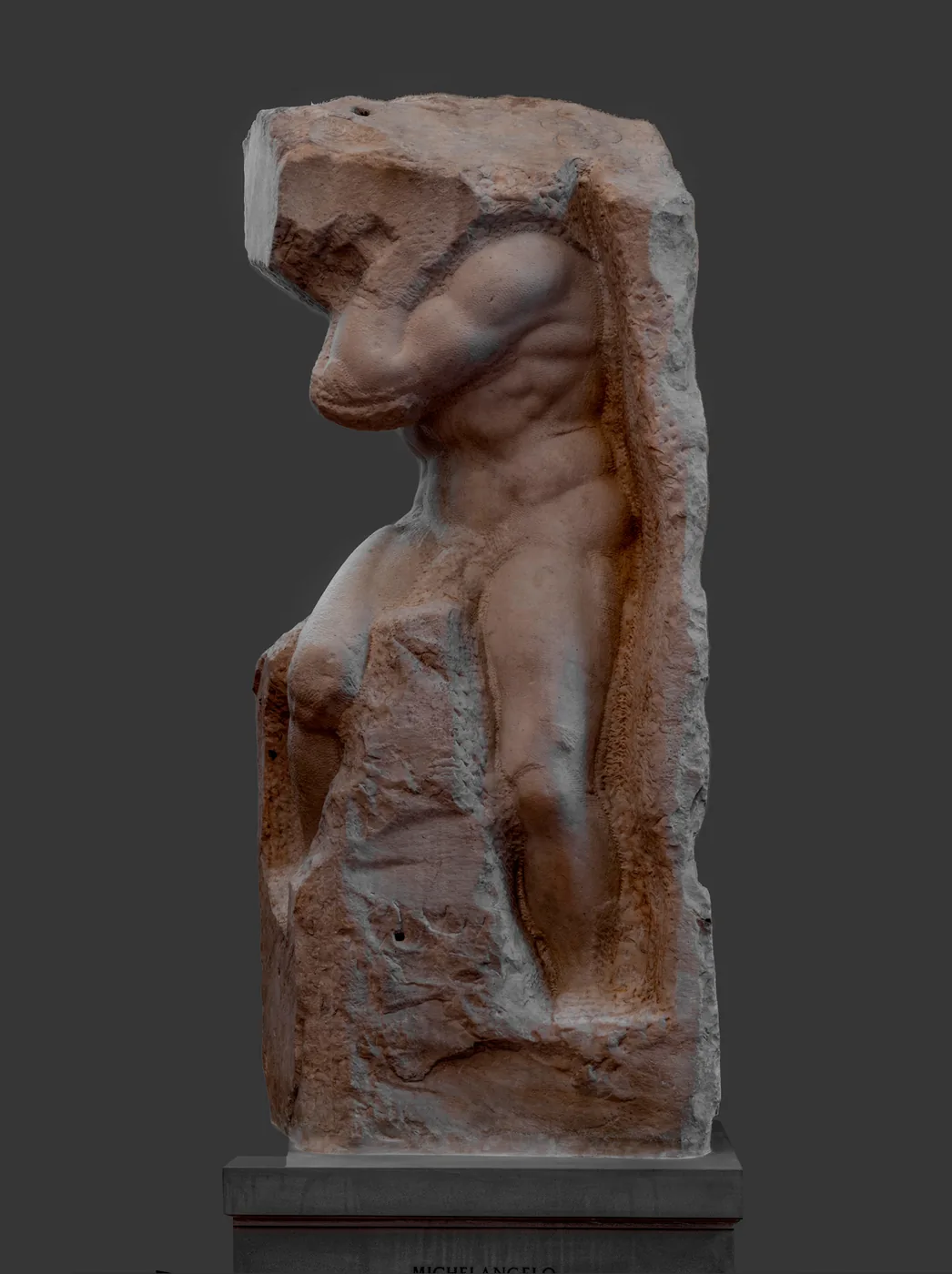
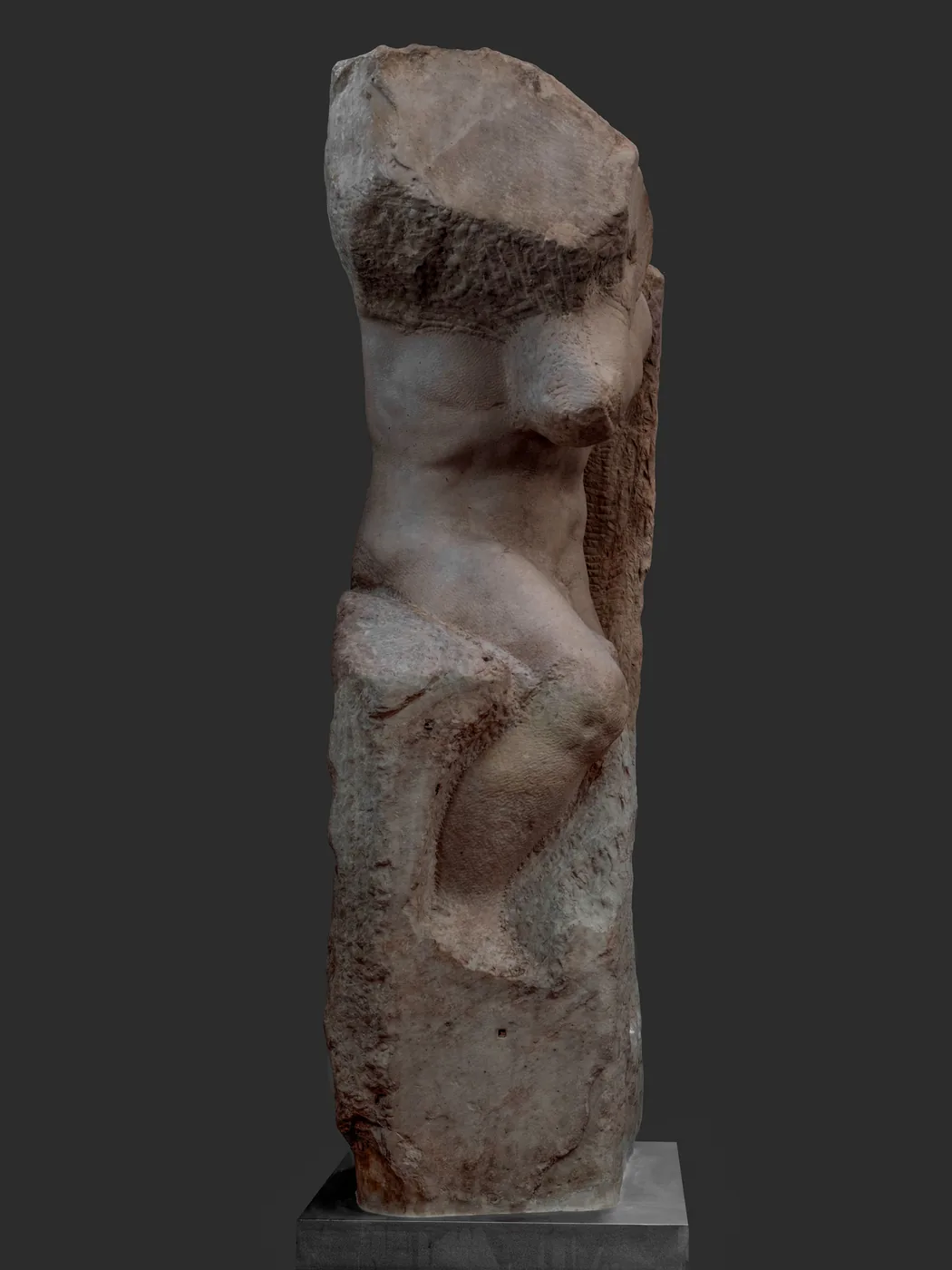
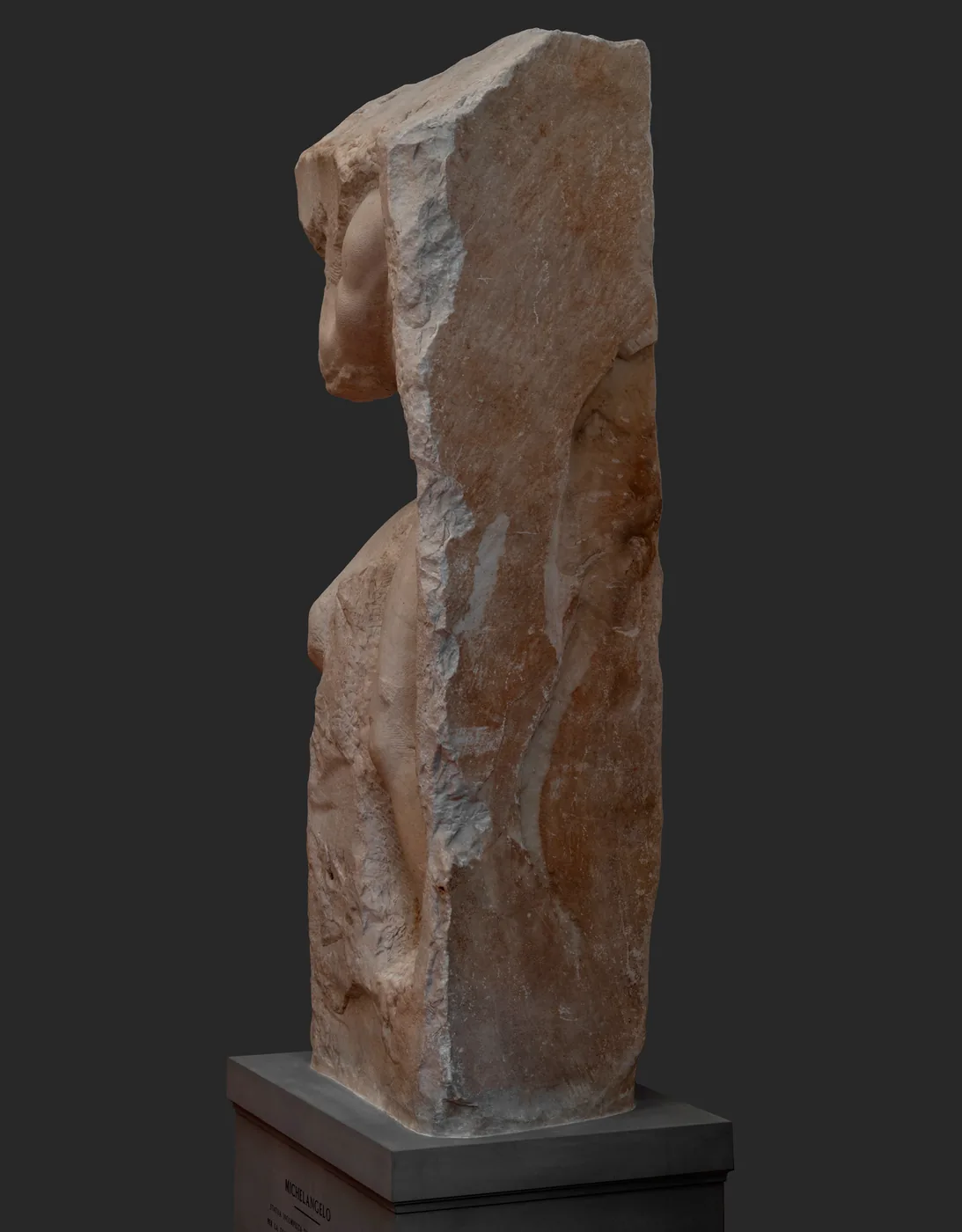
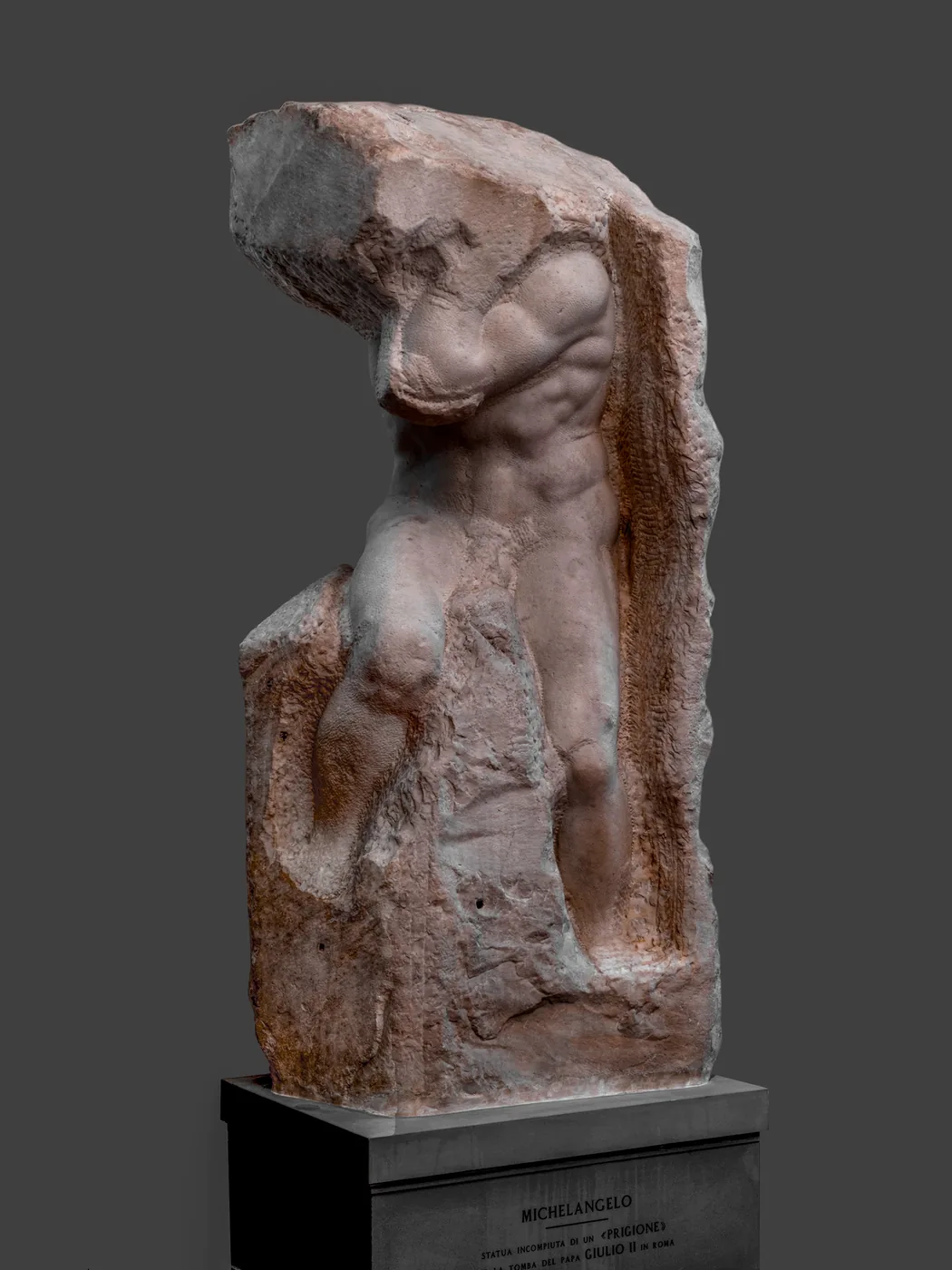
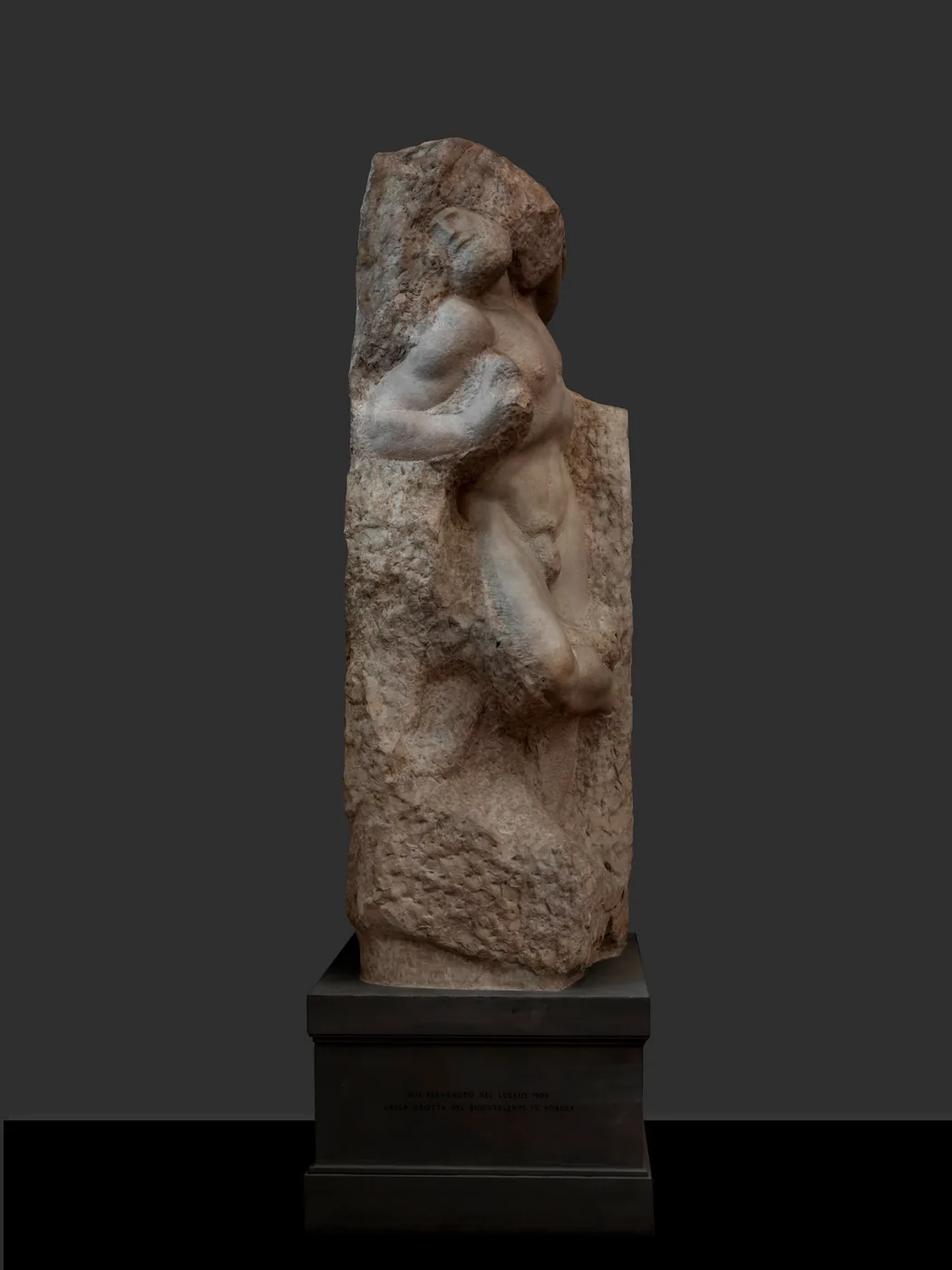
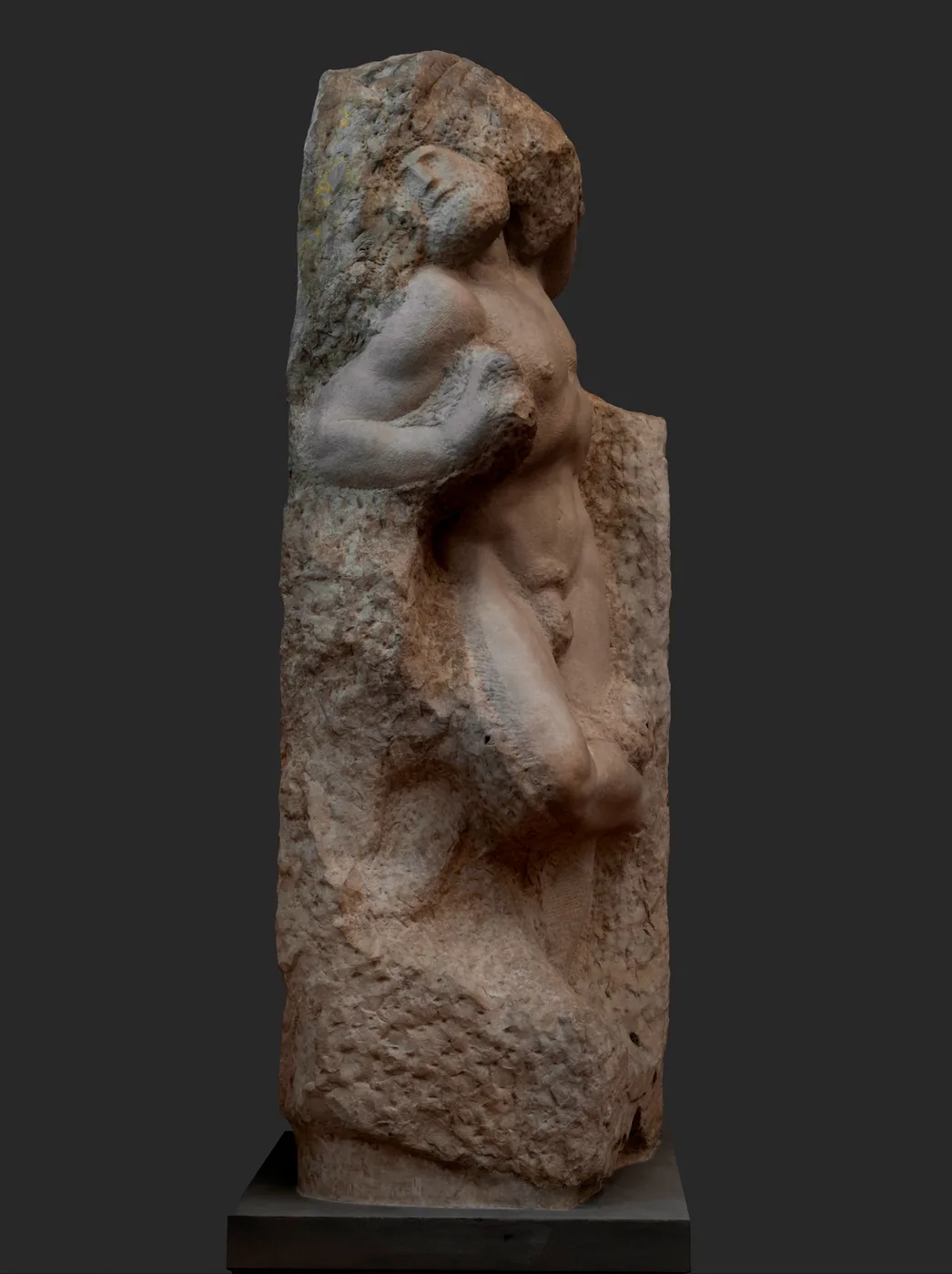
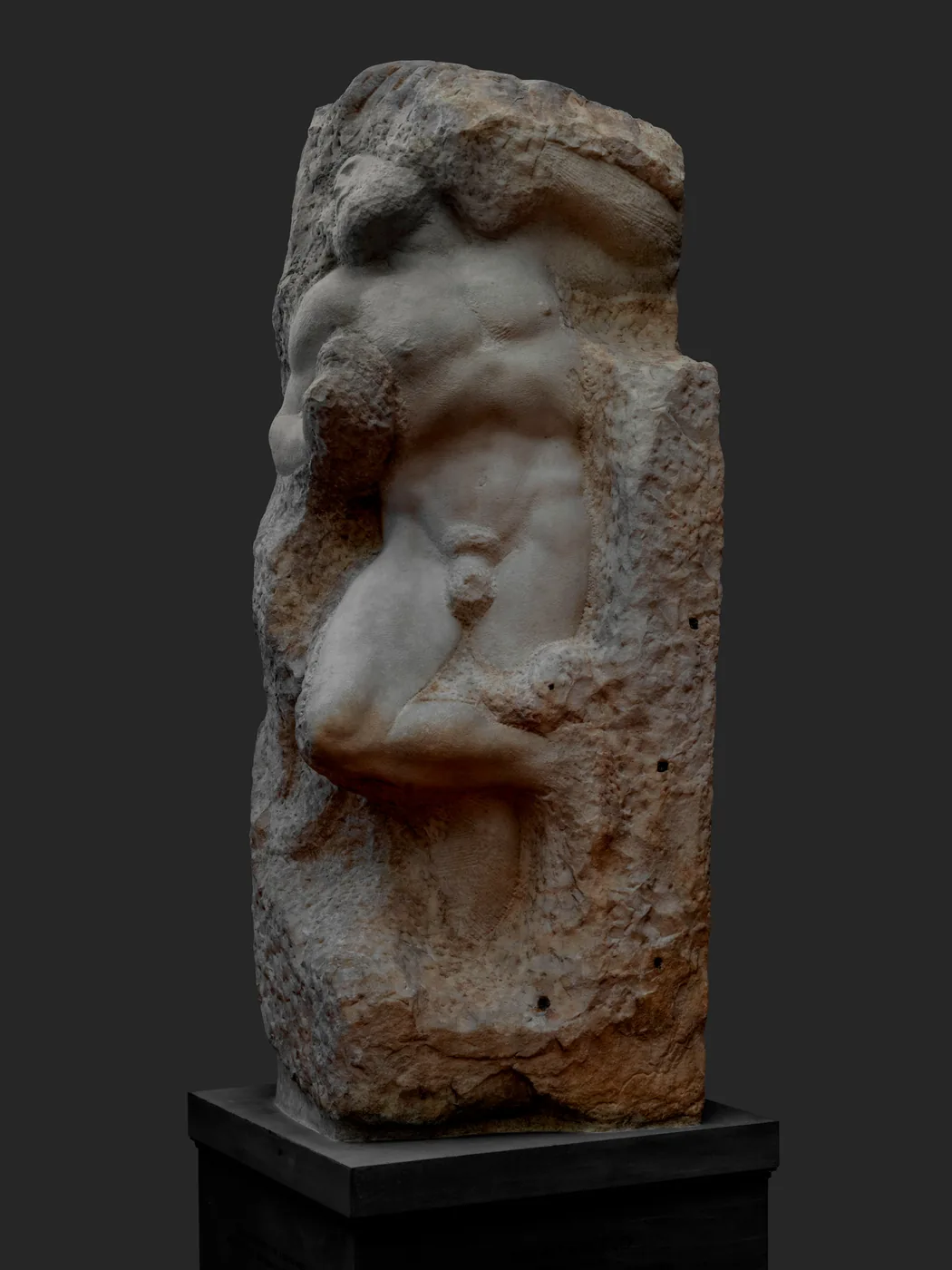
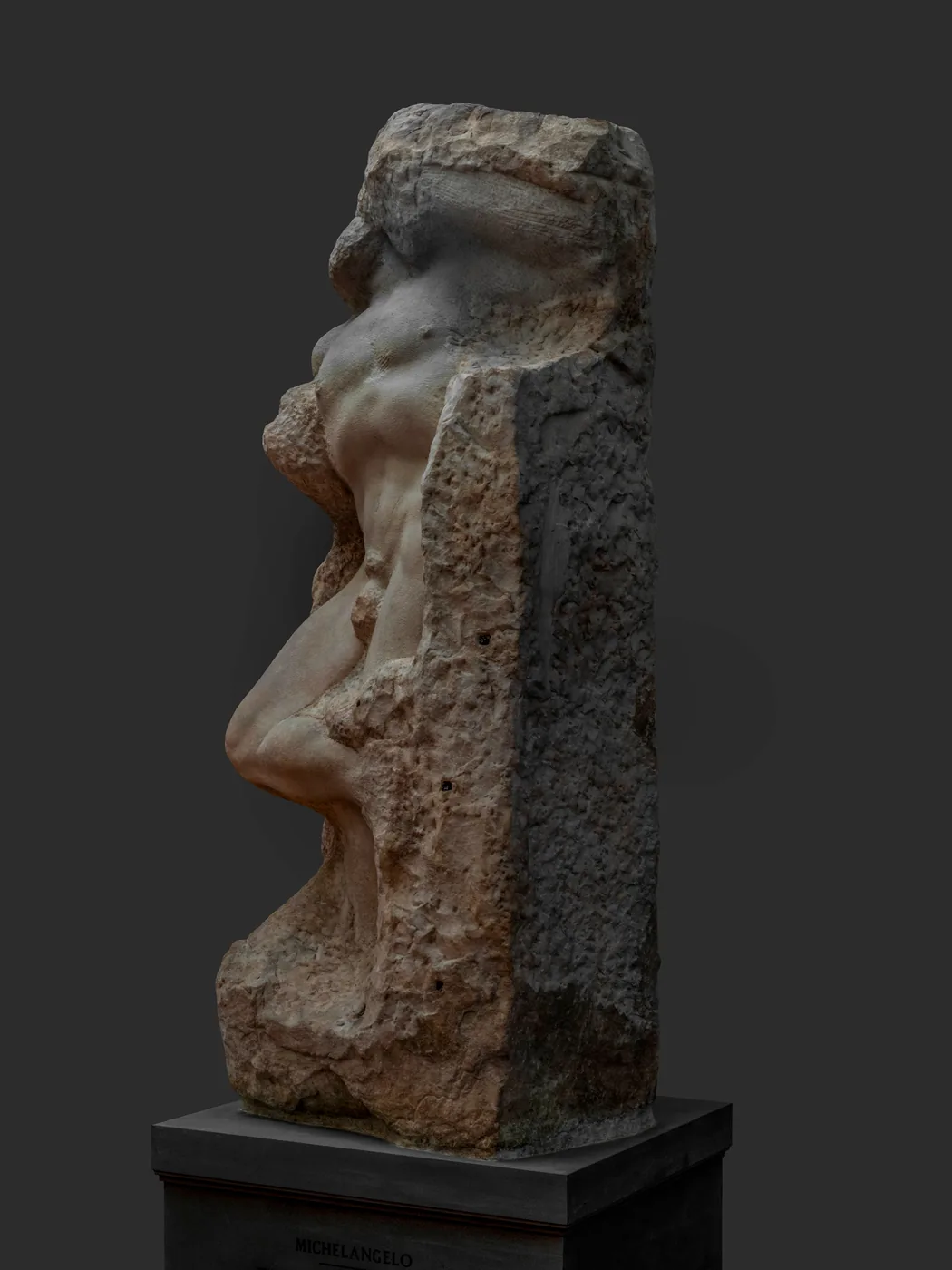
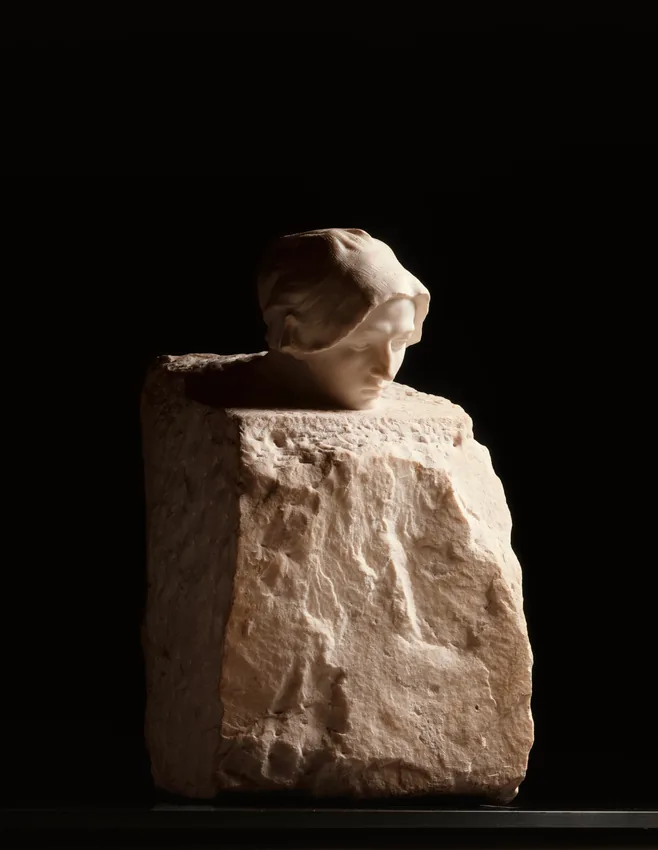
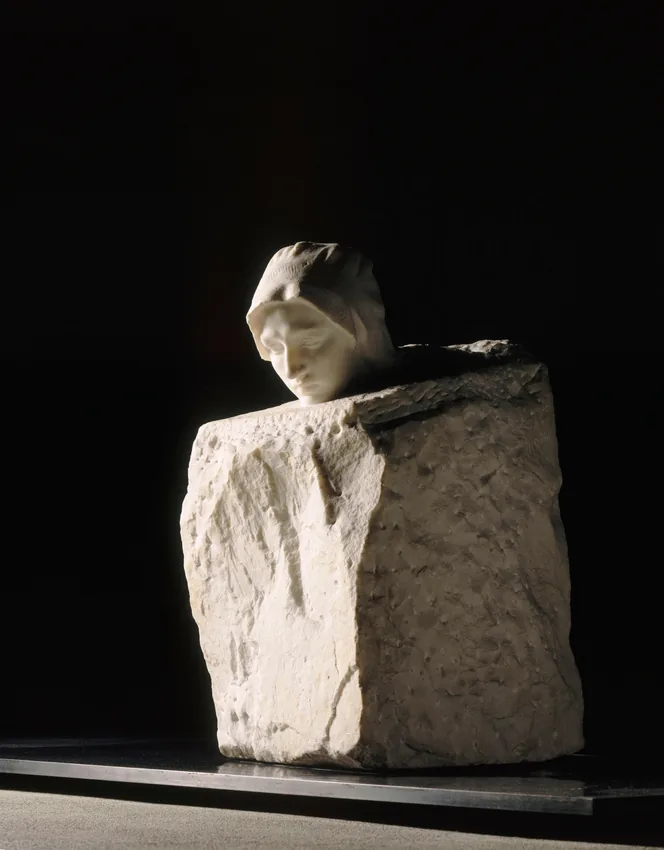
As usual, Rodin provides some inspiration. I prefer unfinished sculpture, lost somewhere between natural and human form.
Bibliography
- Harrell, James A. 2013. “Ornamental Stones.” In UCLA Encyclopedia of Egyptology, edited by Willeke Wendrich. Los Angeles: University of California, Los Angeles. https://escholarship.org/uc/item/4xk4h68c.
- Harrell, James A. n.d. Archaeological Geology of Ancient Egypt. Toledo, OH: University of Toledo, Department of Environmental Sciences. http://www.eeescience.utoledo.edu/Faculty/Harrell/Egypt/AGRG_Home.html.
- Harrell, James A., and Per Storemyr. 2009. “Ancient Egyptian Quarries: An Illustrated Overview.” In QuarryScapes: Ancient Stone Quarry Landscapes in the Eastern Mediterranean, edited by Nizar Abu-Jaber, Elizabeth G. Bloxam, Patrick Degryse, and Tom Heldal, 7–50. Geological Survey of Norway Special Publication 12. Trondheim: Geological Survey of Norway. https://static.ngu.no/upload/Publikasjoner/Special%20publication/SP12_s7-50.pdf.
- Lanteri, Edouard. 1985. Modelling and Sculpting the Human Figure. New York: Dover.
- Oxford University Museum of Natural History. n.d. Corsi Collection of Decorative Stones. Oxford: Oxford University Museum of Natural History. https://www.oum.ox.ac.uk/corsi/.
- Peters, Shanan E., Jon M. Husson, and John Czaplewski. 2018. “Macrostrat: A Platform for Geological Data Integration and Deep-Time Earth Crust Research.” Geochemistry, Geophysics, Geosystems 19 (4): 1393–1409. https://doi.org/10.1029/2018GC007467.
- Rich, Jack C. 1988. The Materials and Methods of Sculpture. New York: Dover. First published 1947 by Oxford University Press.
- Russell, Ben. 2013. Gazetteer of Stone Quarries in the Roman World. Version 1.0. Oxford: Oxford Roman Economy Project. http://www.romaneconomy.ox.ac.uk/databases/stone_quarries_database/.
- Toft, Albert. 2005. Modelling and Sculpture: A Guide to Traditional Methods. Mineola, NY: Dover. First published 1911.